Explore the Universe of Fair Trade Tea: Exceptional Brews That Advance Sustainable Practices
Fair Trade tea embodies a harmonious union of excellence and moral values. Each cup delivers a distinctive taste experience while supporting sustainable farming practices. This approach not only enhances the tea experience but also empowers disadvantaged agricultural workers. Understanding its origins and certification processes reveals additional dimensions of significance. As consumers become more conscious of their choices, the influence of Fair Trade tea goes beyond taste. What exists beneath the surface of these choices?
Understand the History of Fair Trade Tea
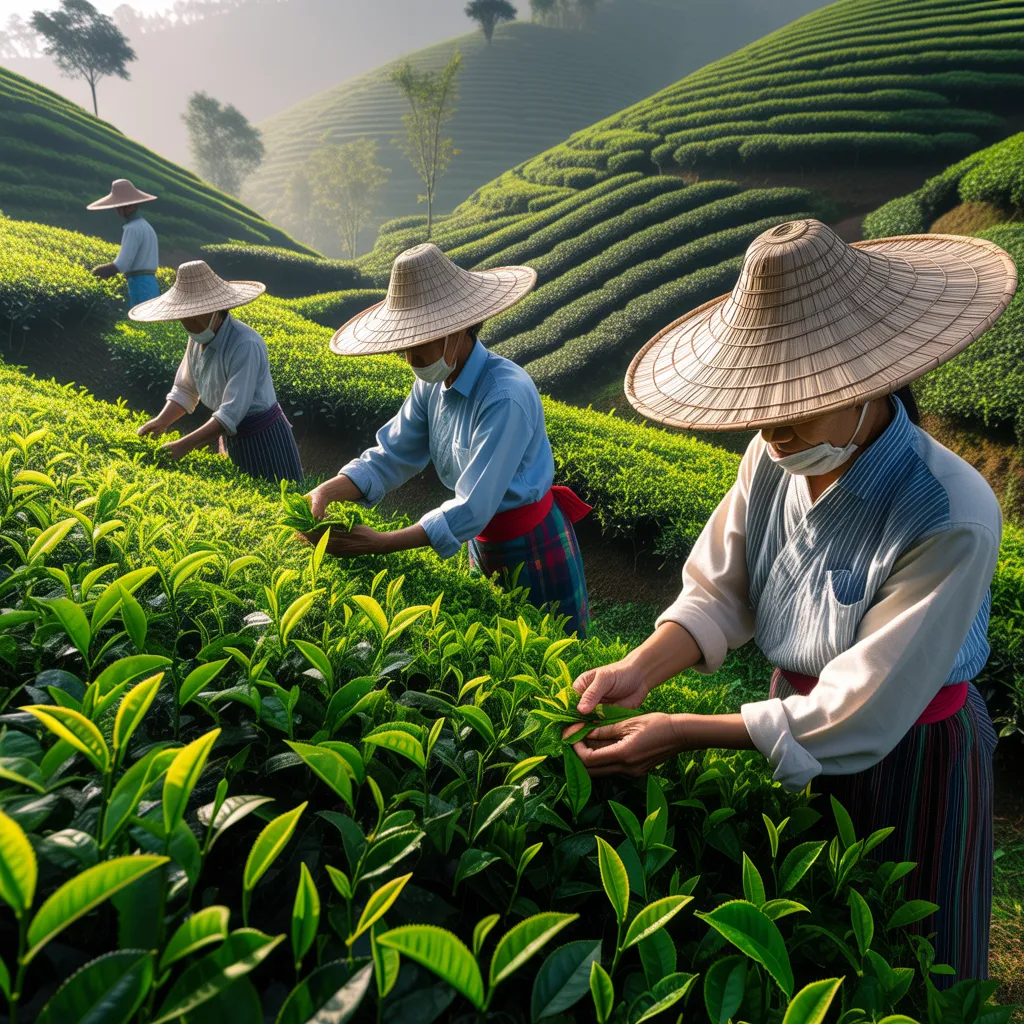
Fair Trade tea traces back to the socioeconomic movements find here designed to improve the living conditions of marginalized farmers. Emerging in the final decades of the 1900s, this initiative sought to address disparities in international commerce, especially in developing countries where tea is often cultivated. The movement gained traction as shoppers became increasingly conscious of the difficult conditions experienced by small-scale farmers, such as unfair pricing and exploitation by major companies.
Through cooperative structures, Fair Trade aimed to empower these farmers, guaranteeing they obtained fair payment and backing for sustainable farming practices. The movement also concentrated on promoting ecological stewardship, encouraging organic farming and biodiversity. As awareness increased, Fair Trade tea turned into a representation of ethical consumption, connecting consumers directly with the origins of their beverages. By selecting Fair Trade tea, individuals add to a larger vision of social justice and economic equity, creating a more sustainable future for tea-growing communities.
Comprehend Fair Trade Certification for green operations
Understanding Fair Trade certification is vital to identifying how sustainable practices are maintained within the tea industry. This certification assures that producers receive fair wages and work under safe conditions, which directly supports community development. Fair Trade standards advance environmentally sustainable farming methods, reducing the use of harmful chemicals and encouraging biodiversity.
Certification fosters clarity in the distribution network, allowing customers to track their tea back to its origin. By adhering to these guidelines, farms undertake methods that protect environmental assets and support local ecosystems. Additionally, Fair Trade organizations often deliver educational resources and instruction to agricultural producers, equipping them to improve their production methods and financial security.
Ultimately, Fair Trade accreditation not only enhances tea's quality but also corresponds with purchasing choices to ethical and responsible values, making it a key aspect of the tea sector's commitment to social accountability and environmental care.
Investigate Leading Range of Fair Trade Tea
While many tea admirers appreciate the rich flavors and aromas of countless tea blends, exploring the top categories of Fair Trade tea uncovers a more earnest commitment to responsible farming and planet-friendly methods. Some sought-after options include Fair Trade Assam, characterized by its intense, malt-forward notes, and Fair Trade Darjeeling, often called as the "Champagne of teas" for its delicate floral notes. Another notable variety is Fair Trade Earl Grey, seasoned with bergamot, furnishing a distinctive citrus character.
In addition, Fair Trade Green Tea, recognized for its invigorating qualities and health benefits, is increasingly preferred among health-conscious consumers. Herbal blends, such as Fair Trade Chamomile and Peppermint, also stand out, offering soothing and calming effects. Each of these varieties not only provides exceptional flavor but also backs farmers and communities working for better livelihoods, making them a responsible choice for tea lovers seeking quality and ethical assurance.
Brewing Fair Trade Tea: Guidelines for a Ideal Cup
To prepare the best cup of Fair Trade tea, focus is essential, as the best practices can enhance the tea's distinctive tastes and smells. The first step is that water quality is of utmost importance; using clean water delivers a fresh flavor that allows the tea's traits to stand out. Also, the water temperature is essential; tea types require precise temperatures; boiling temperature is used for black tea and cooler temperatures work best for green or herbal teas.
Subsequently, the steeping time must be strictly observed. Oversteeping can result in bitterness, while insufficient steeping may not draw out the full flavor profile. A general guideline is 3-5 minutes for black tea and 2-3 minutes for green tea.
To conclude, employing the proper amount of tea to water enhances the flavor; one teaspoon of loose tea per cup is a good starting point. By applying these tips, tea connoisseurs can fully appreciate the rich offerings of Fair Trade tea.
Green Benefits of Fair Trade Tea
Brewing Fair Trade tea not only elevates the tea experience but also backs sustainable agricultural practices that advantage the ecosystem. Fair Trade certification encourages farmers to use natural cultivation techniques, which minimize the reliance on harmful pesticides and fertilizers. This approach fosters species diversity, aiding in the protection of local habitats and protect animal sanctuaries.
Additionally, Fair Trade methods often highlight soil health and water preservation, ensuring that tea cultivation does not deplete essential resources. By supporting small-scale farmers, Fair Trade also encourages agroforestry, which unites tea cultivation with other crops and trees, further strengthening environmental resilience.
Additionally, Fair Trade tea often includes environmentally responsible wrapping and delivery systems, lowering the greenhouse gas emissions tied to its distribution. In summary, selecting Fair Trade tea represents a conscious effort to foster a more sustainable agricultural system that respects both the Earth and its inhabitants.

The Way Your Tea Choice Supports Societies Worldwide
Opting for Fair Trade tea supports communities around the world by guaranteeing cultivators receive just compensation and improved working conditions. This pledge confirms that tea cultivators can preserve their sources of income while allocating funds to their households and local economies. By choosing Fair Trade tea, buyers help fund crucial community services, including education and healthcare.
Fair Trade accreditation encourages ethical practices, requiring businesses to follow guidelines that emphasize workers' rights and ecological responsibility. As a consequence, farmers are incentivized to cultivate high-quality tea, which not just improves their income but also creates satisfaction in their work.
Furthermore, the immediate trading connections established through Fair Trade remove exploitative middlemen, allowing farmers to connect with customers worldwide. This transparency builds trust and promotes a global recognition for the cultural importance of tea. Ultimately, each cup of Fair Trade tea serves as a reminder of the beneficial effect individuals can have on worldwide populations through conscious purchasing.
Often Inquired Questions
How Can I Recognize Fair Trade Tea Items in Stores?
To find responsibly sourced tea brands in stores, one should check for certification labels, such as Fair Trade Certified or Rainforest Alliance. Additionally, studying brands dedicated to ethical sourcing can support making informed choices.
Are There Any Health Benefits Associated With Fair Trade Tea?
Fair trade tea may offer multiple wellness advantages, with antioxidants enhancing heart health, superior digestion, and sharper mental clarity. Besides, ethical sourcing strategies reinforce responsible agriculture, ultimately supporting a revitalized environment and community welfare.
Is it Easy to Locate Ethically Sourced Tea Via Online Marketplaces?
Yes, ethically traded tea is easy to find in digital platforms. Multiple vendors stock a variety of brands and blends, making certain buyers can easily access ethically sourced options that support both eco-friendly practices and fair labor practices.
What Influence Does Fair Trade Tea Play in Local Economic Growth?
Fair trade tea positively impacts local economies by offering farmers equitable compensation, supporting community growth, and promoting environmentally responsible agriculture. This assistance enhances livelihoods, promotes economic stability, and enables communities to allocate resources toward education and healthcare.
What's the Ideal Way to Store Fair Trade Tea for Superior Freshness?
To enhance quality, fair trade tea should be kept in a sealed jar, protected from moisture, light, and strong odors. Keeping it in a cool, dark place helps preserve its flavor and aroma over time.